Der fortgeschrittene Start von Civilization VII. Erhält überwiegend negative Dampfüberprüfungen
Die Zivilisation VII (Civ 7), die fünf Tage früher über das Advanced Access -Programm von Steam veröffentlicht wurde, wurde mit einer Flut negativer Spieler -Feedback gestoßen, was zu einer "meist negativen" Gesamtbewertung auf der Plattform führte. Dies steht im scharfen Kontrast zu der hohen Vorfreude auf die Veröffentlichung des Spiels, dem ersten Haupteintrag seit Civ VI im Jahr 2016.
Die Hauptkritik dreht sich um mehrere Schlüsselbereiche:
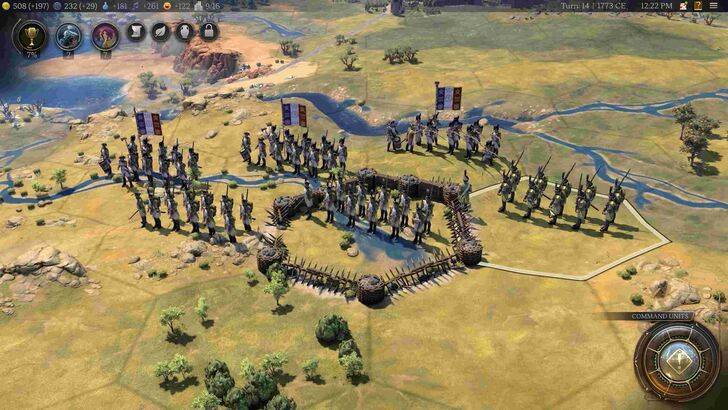
User Interface (UI): Viele Spieler finden die Benutzeroberfläche, die Civ VI erheblich minderwertig ist, und beschreibt sie als "Janky", "hässlich" und verglichen sie sogar mit einem "kostenlosen mobilen Knockoff". Es wurden Bedenken geäußert, dass die Konsolenentwicklung von Firaxis Games priorisierte, was zu einer begrenzten und visuell unattraktiven Benutzeroberfläche für die PC -Version führte.
Karten und Kartenanpassung: Die Spieler äußern eine starke Unzufriedenheit mit dem Kartensystem. Zu den Problemen gehören Schwierigkeiten bei der Kartenauswahl, begrenzte Kartengrößenoptionen (nur klein, mittel und groß, im Vergleich zu den fünf Größen von CIV VI) und einem wahrgenommenen Mangel an Anpassungen. Der Mangel an detaillierten Kartentypinformationen während der Auswahl ist eine weitere häufige Beschwerde.
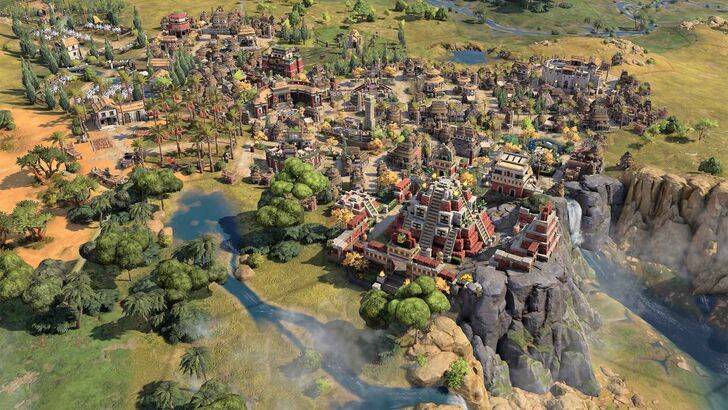
Ressourcenmechanik: Die Verschiebung von der kartenbasierten Ressourcenversammlung von Civ VI zu einem städtischen/im Empire-zentrierten strategischen Ressourcenmanagementsystem wurde weithin kritisiert. Die Spieler argumentieren, dass das neue System die Wiederholungsfähigkeit im Vergleich zur randomisierten Ressourcenplatzierung seines Vorgängers verringert.
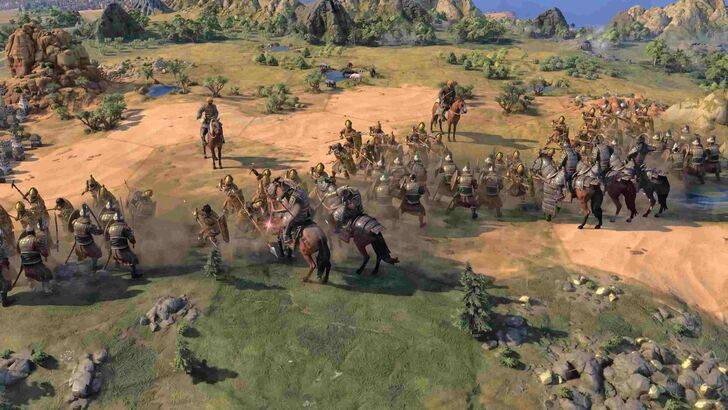
Firaxis Games hat das negative Feedback anerkannt, insbesondere in Bezug auf die Benutzeroberfläche, und versichert den Spielern, dass Verbesserungen im Gange sind. Sie geben auch an, dass zukünftige Aktualisierungen und Erweiterungen Bedenken im Zusammenhang mit Karten behandeln. Der überwältigend negative anfängliche Empfang wirft jedoch erhebliche Fragen zum aktuellen Zustand des Spiels und sein Potenzial für zukünftige Erfolg auf.

Title: "Rogue Flame: Ignition of the Flame Keeper"
— A Roguelike Adventure Where Every Step Burns, and Every Choice Feeds the Fire
🔥 THE FLAME IS ALIVE.
It whispers through forgotten ruins. It flickers in the eyes of the lost. It hungers.
You are The Flame Keeper—not a wielder, not a hero, but a vessel. Chosen not by fate, but by fire itself. Each time you die, the flame remembers. Each time you rise, it grows stronger... and more hungry.
Welcome to Rogue Flame: Ignition of the Flame Keeper, a brutal, atmospheric roguelike that blends elemental chaos, permadeath tension, and evolving identity.
🔥 CORE MECHANICS
1. The Flame Chain
The flame isn’t just a weapon—it’s you.
As you progress, your abilities shift based on flame affinity:
Ember (fast, stealthy, burns through enemies)
Blaze (massive AoE, but leaves you vulnerable)
Ashen (summons spectral echoes, sacrifices health for power)
Each death changes your affinity—your soul is forged in fire.
2. Dynamic Fire Mechanics
Fire spreads through the world.
Destroy a wall? The flame might ignite nearby oil.
Use fire to shatter ice, light dark corridors, or trigger chain reactions.
But beware: if you stay too long in flame, you burn. Health drains over time.
3. Memory Fragments (Roguelike Progression)
Unlike most roguelikes, you don’t just lose everything.
Each run unlocks Memory Fragments:
A forgotten name
A dying prayer
A scar that pulses when fire nears
These fragments slowly rebuild your true self across runs.
Some fragments unlock new flame forms, others reveal the truth: you were once a guardian… now you are the fire’s god.
4. The Keeper’s Echo (Permadeath with Purpose)
You die? The flame remembers.
You return not as a warrior, but as a phantom echo—a spectral version of your past self.
Your echo can:
Pass through walls
Corrupt enemies
Whisper secrets to the flame
But it can’t fight. It can only guide the next Flame Keeper.
🌑 THE WORLD: EMBERVALE
A dying city built on ancient fire-lit rituals.
Guttering Spire: Where the flame was first awakened.
Ashen Archives: Libraries of dead knowledge, burning when opened.
The Hollow Heart: A cavern that pulses with heartbeat-like heat.
The Forged Cathedral: Where gods were melted into idols… and the flame still sings.
🎮 GAMEPLAY HIGHLIGHTS
Procedural Fire Zones: No two runs are alike. Fire spreads unpredictably—plan ahead, or burn.
No Loadouts, Only Evolution: No gear. Only your flame and your choices.
Dialogue with the Flame: Speak to it. It answers in riddles, burns your hands, or offers visions.
Endings: Multiple, branching endings based on how you’ve balanced control, courage, and consumption.
Become the Flame
Burn the Flame
Let the Flame be forgotten
🎨 ART & AUDIO
Visual Style: Dark neo-gothic with glowing ember textures. Fire isn’t light—it’s life.
Sound Design: The flame breathes. It hisses in shadows. It sings in the wind.
Music: Ambient chants mixed with distorted synth and crackling fire.
Voice of the Flame: A low, ancient voice—sometimes kind, sometimes cruel. It remembers your name.
💀 FINAL THOUGHT
"You are not the fire.
You are not the keeper.
You are the flame that remembers how to burn."
🔥 Rogue Flame: Ignition of the Flame Keeper –
Coming soon to PC, consoles, and any device with a soul.
"Die. Rise. Burn. Remember."
🔥 Ready to ignite?
The flame is waiting.
And it’s hungry.