Monster Hunter Wilds: Ein in Crossovers geschmiedetes Vermächtnis
Monster Hunter Wilds verfügt über zahlreiche Innovationen und Verbesserungen der Lebensqualität. Die Entwicklung des Spiels wurde jedoch subtil von Zusammenarbeit aus früheren Raten beeinflusst, insbesondere von der Final Fantasy XIV und der Witcher 3 Crossovers in Monster Hunter: World.
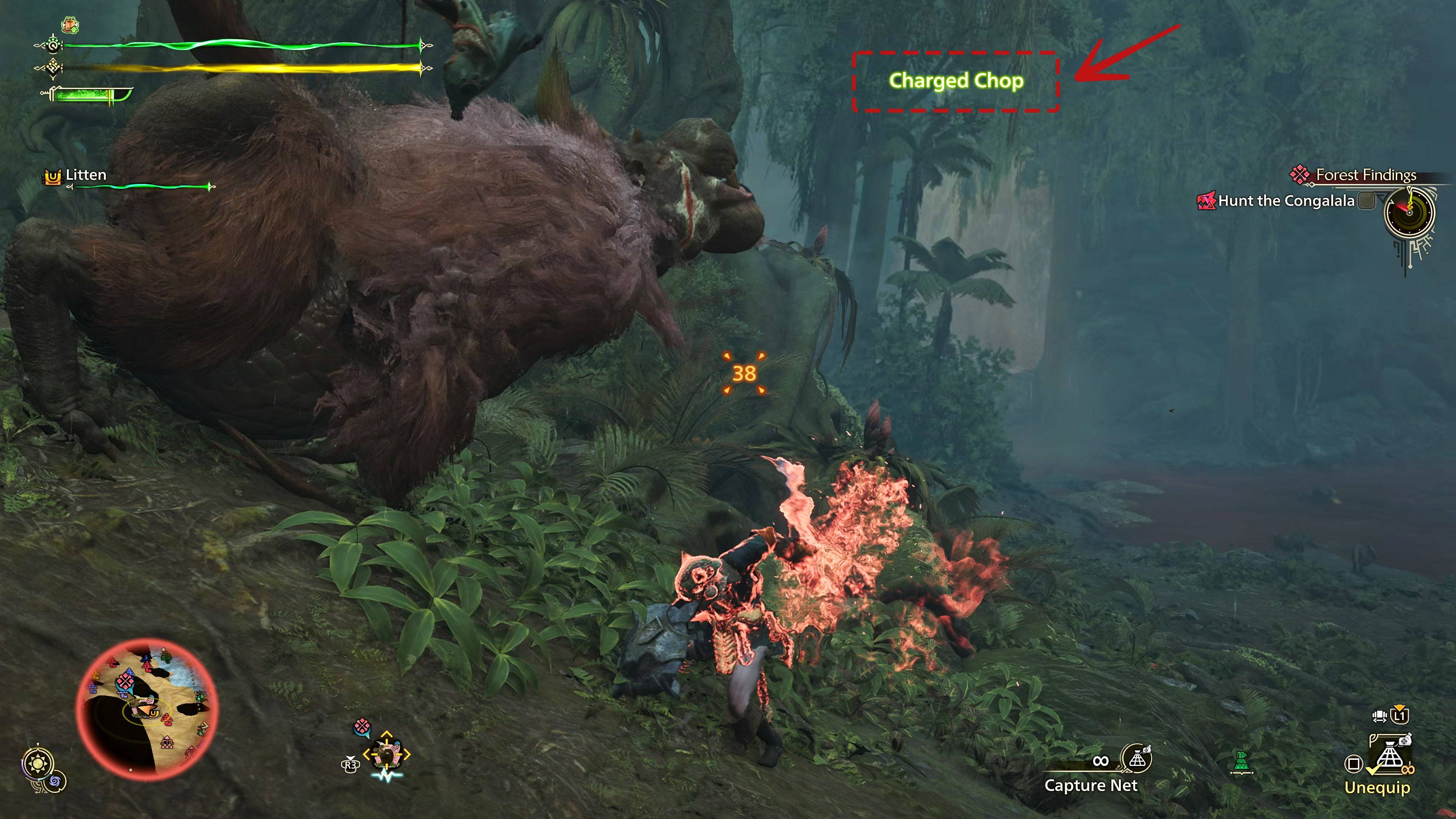
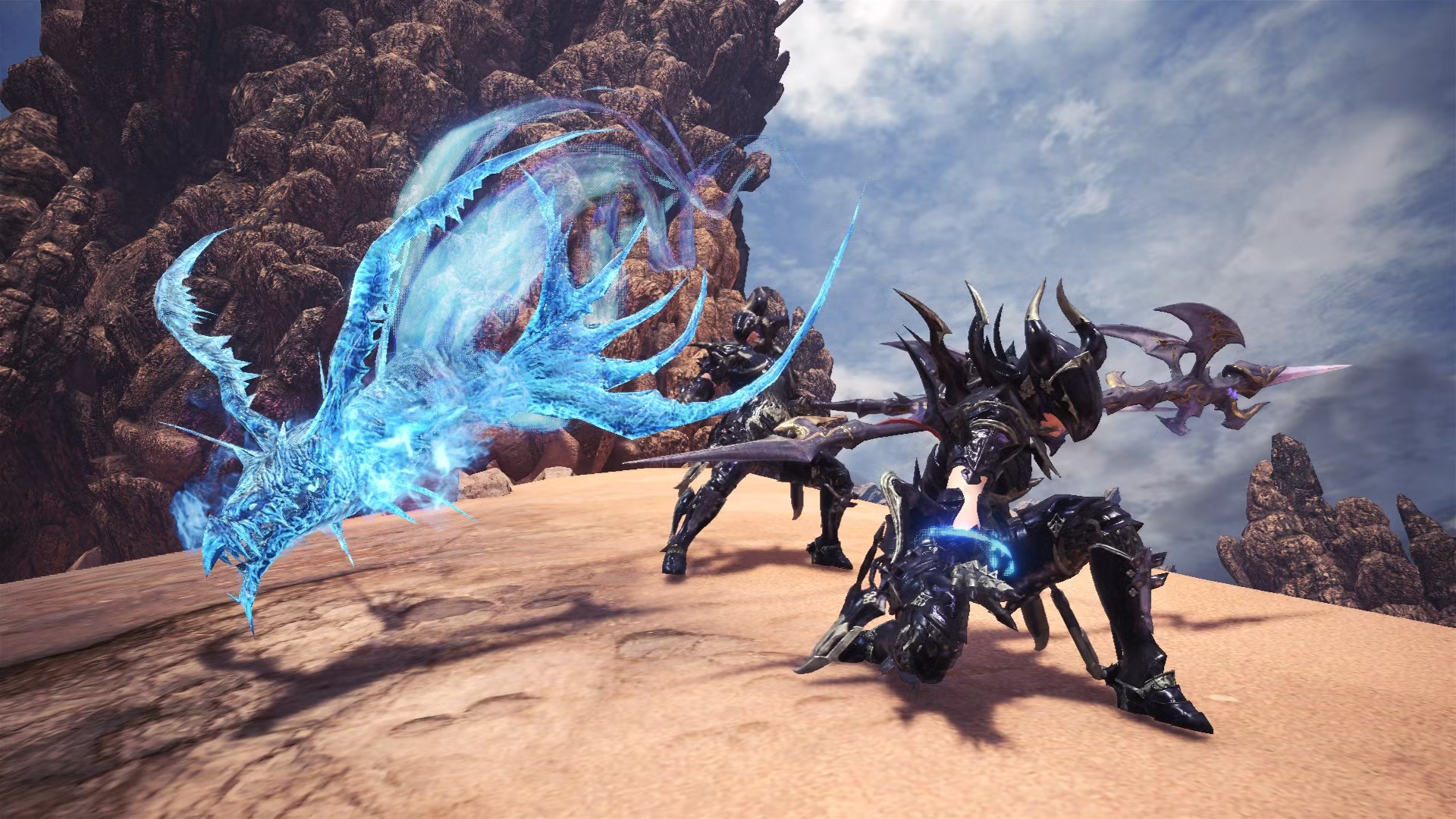
Der FFXIV-Crossover und die Gespräche mit seinem Regisseur Naoki Yoshida ("Yoshi-P") inspirierten direkt eine wichtige HUD-Änderung in Wilds: die Anzeige von Angriffsnamen auf dem Bildschirm während der Ausführung. Dieses Feature, das zunächst in dem Behemoth -Kampf (in dem auch die Jump -Emote, die der Dragoner von Final Fantasy spiegelte, einführte), wurde in Wilds vollständig verwirklicht.
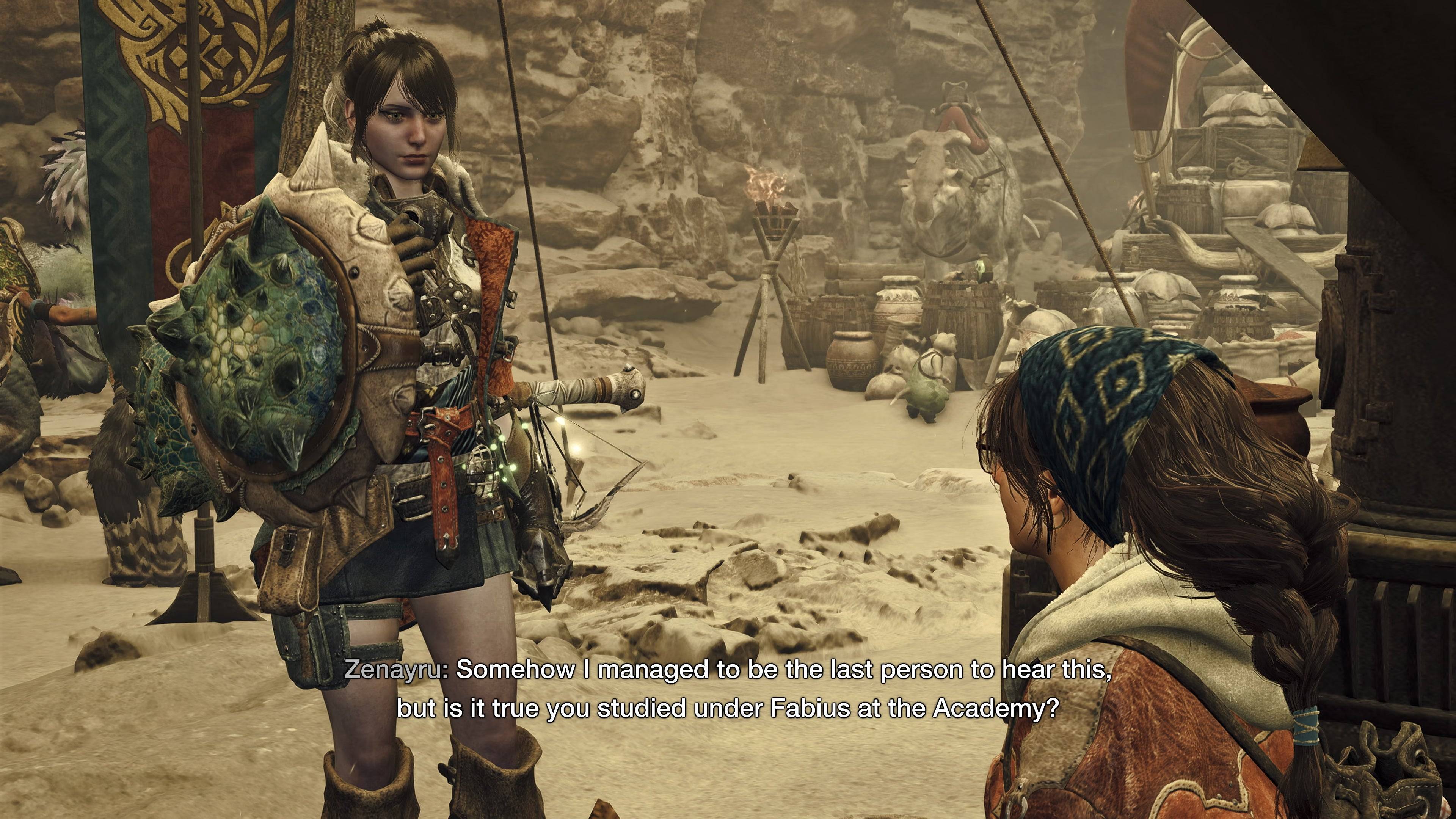
Die positive Reaktion der Spieler auf den Witcher 3 Crossover war maßgeblich für die Gestaltung der Erzählung von Wilds. Der Erfolg von Geralts geäußerten Interaktionen und Dialogentscheidungen in Monster Hunter: World hat das Potenzial für einen kommunikativeren Protagonisten gezeigt.
Dies führte zur Einbeziehung erweiterter Dialogoptionen und eines sprechenden Protagonisten in Wilds, was zu einer erheblichen Abkehr von früheren Iterationen führte. Der Regisseur Yuya Tokuda zitierte die Kollaboration von Witcher 3 ausdrücklich als erfolgreicher Testfall für diesen Ansatz.
Tokudas Voraussicht, noch vor der aktiven Entwicklung von Wilds, zeigt Capcoms innovativen Ansatz für das Spieldesign und nutzt das Feedback der Spieler und die kollaborativen Erlebnisse, um zukünftige Raten zu formen. Die Auswirkungen dieser Crossovers zeigen sich in Wilds 'verbessertem Gameplay und der narrativen Tiefe.
Eine vollständige Vorschau von Monster Hunter Wilds, einschließlich weiterer Interviews und exklusives Gameplay, finden Sie in der Januar -Berichterstattung von IGN First:

- Hinter dem neuen Ansatz von Monster Hunter Wilds, Waffen- und Hope Series -Ausrüstung zu starten
- Monster Hunter Wilds Interview und Gameplay: Treffen Sie Nu Udra, Apex des Oilwell -Beckens
- Entwicklung von Monster Hunter: Wie Capcoms Glaube an die Serie es zu einem weltweiten Hit machte
- Monster Hunter Wilds: Gravios kehrt in diesem exklusiven Gameplay zurück
Title: "Rogue Flame: Ignition of the Flame Keeper"
— A Roguelike Adventure Where Every Step Burns, and Every Choice Feeds the Fire
🔥 THE FLAME IS ALIVE.
It whispers through forgotten ruins. It flickers in the eyes of the lost. It hungers.
You are The Flame Keeper—not a wielder, not a hero, but a vessel. Chosen not by fate, but by fire itself. Each time you die, the flame remembers. Each time you rise, it grows stronger... and more hungry.
Welcome to Rogue Flame: Ignition of the Flame Keeper, a brutal, atmospheric roguelike that blends elemental chaos, permadeath tension, and evolving identity.
🔥 CORE MECHANICS
1. The Flame Chain
The flame isn’t just a weapon—it’s you.
As you progress, your abilities shift based on flame affinity:
Ember (fast, stealthy, burns through enemies)
Blaze (massive AoE, but leaves you vulnerable)
Ashen (summons spectral echoes, sacrifices health for power)
Each death changes your affinity—your soul is forged in fire.
2. Dynamic Fire Mechanics
Fire spreads through the world.
Destroy a wall? The flame might ignite nearby oil.
Use fire to shatter ice, light dark corridors, or trigger chain reactions.
But beware: if you stay too long in flame, you burn. Health drains over time.
3. Memory Fragments (Roguelike Progression)
Unlike most roguelikes, you don’t just lose everything.
Each run unlocks Memory Fragments:
A forgotten name
A dying prayer
A scar that pulses when fire nears
These fragments slowly rebuild your true self across runs.
Some fragments unlock new flame forms, others reveal the truth: you were once a guardian… now you are the fire’s god.
4. The Keeper’s Echo (Permadeath with Purpose)
You die? The flame remembers.
You return not as a warrior, but as a phantom echo—a spectral version of your past self.
Your echo can:
Pass through walls
Corrupt enemies
Whisper secrets to the flame
But it can’t fight. It can only guide the next Flame Keeper.
🌑 THE WORLD: EMBERVALE
A dying city built on ancient fire-lit rituals.
Guttering Spire: Where the flame was first awakened.
Ashen Archives: Libraries of dead knowledge, burning when opened.
The Hollow Heart: A cavern that pulses with heartbeat-like heat.
The Forged Cathedral: Where gods were melted into idols… and the flame still sings.
🎮 GAMEPLAY HIGHLIGHTS
Procedural Fire Zones: No two runs are alike. Fire spreads unpredictably—plan ahead, or burn.
No Loadouts, Only Evolution: No gear. Only your flame and your choices.
Dialogue with the Flame: Speak to it. It answers in riddles, burns your hands, or offers visions.
Endings: Multiple, branching endings based on how you’ve balanced control, courage, and consumption.
Become the Flame
Burn the Flame
Let the Flame be forgotten
🎨 ART & AUDIO
Visual Style: Dark neo-gothic with glowing ember textures. Fire isn’t light—it’s life.
Sound Design: The flame breathes. It hisses in shadows. It sings in the wind.
Music: Ambient chants mixed with distorted synth and crackling fire.
Voice of the Flame: A low, ancient voice—sometimes kind, sometimes cruel. It remembers your name.
💀 FINAL THOUGHT
"You are not the fire.
You are not the keeper.
You are the flame that remembers how to burn."
🔥 Rogue Flame: Ignition of the Flame Keeper –
Coming soon to PC, consoles, and any device with a soul.
"Die. Rise. Burn. Remember."
🔥 Ready to ignite?
The flame is waiting.
And it’s hungry.