Kojima Announces Death Stranding 2 Nearing Completion
Author: Aria
Jan 23,2026


Video games have long evolved beyond mere action-packed, pulse-pounding adventures. Hideo Kojima, the visionary behind Metal Gear Solid, crafted Death Stranding around the dual themes of separation and unity in a pre-pandemic era. Its deeply conceptual narrative approach and groundbreaking delivery-focused gameplay mechanics unveiled entirely new creative horizons.
Now, with the sequel Death Stranding 2: On the Beach, Kojima revisits this question in an even more complex form: "Should we have connected in the first place?" As the June 26, 2025 release date draws near, we were curious about the perspective Kojima adopted while shaping the story, especially as societal divisions continue to deepen worldwide.
Development on Death Stranding 2 unfolded during the unprecedented conditions of the Covid-19 pandemic. How did Kojima reassess the very idea of "connection" and rebuild it, all while grappling with evolving views on technology, remote collaboration, and the fundamental nature of human relationships?
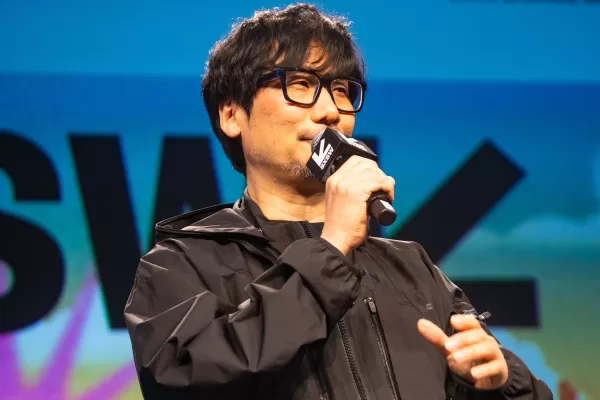
In this interview, Kojima discusses the philosophical framework guiding the game's creation, what elements were refined from the first title, and how his work engages with modern society and its complexities.